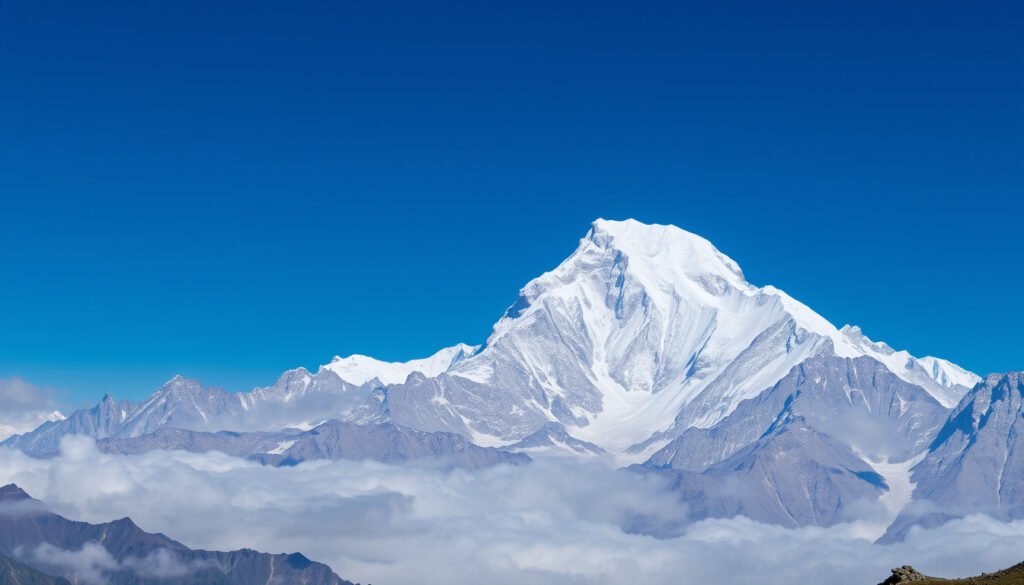
Mount Everest: Location, Height, Cost, Deaths, and Key Facts
Everest has a way of making people dream big and ask tough questions. Standing at 8,848.86 meters, it’s the highest point on Earth, and this guide covers everything from location and climbing expenses to the risks that keep even the best‑prepared mountaineers humble.
Height: 8,848.86 m (29,031.7 ft) ·
Location: Nepal–Tibet border, Himalayas ·
First Ascent: 1953 by Edmund Hillary and Tenzing Norgay ·
Estimated Total Deaths: Over 310 (as of 2025) ·
Typical Climbing Cost: $35,000 – $100,000 ·
Oldest Known Body: Tsewang Paljor (Green Boots)
Quick snapshot
- Official height: 8,848.86 m (Los Angeles Times)
- Location: Nepal–Tibet border (Britannica)
- First ascent: 1953 by Hillary & Tenzing (Britannica)
- Exact number of unretrieved bodies on the mountain (Climbing Kilimanjaro)
- Whether Mallory & Irvine reached the summit in 1924 (Britannica)
- Precise annual death figures before modern record‑keeping (Alan Arnette)
- 2020: New official height set by Nepal & China (Los Angeles Times)
- 2015: Nepal earthquake kills 22 at base camp (Britannica)
- 1996: 8 die in single storm, later popularized by Into Thin Air (Britannica)
- Permit fee increase to $15,000 for Nepal side (2025 onward) (Climbing)
- Mandatory guide and group regulations being introduced (Facebook/Climbing Magazine)
- Continued debate over Mallory & Irvine mystery (Britannica)
Seven key data points that define the world’s tallest peak — from its official height to the most lethal section of the climb.
| Label | Value |
|---|---|
| Height (meters) | 8,848.86 m |
| Height (feet) | 29,031.7 ft |
| First Ascent Year | 1953 |
| Total Summiteers (approx.) | 6,000+ |
| Total Fatalities (approx.) | 310+ |
| Most Dangerous Section | Khumbu Icefall |
| Average Climbing Season | April–May (pre‑monsoon) |
Which country is Mount Everest in?
Where is Mount Everest located exactly?
- Border location: Mount Everest straddles the border between Nepal and the Tibet Autonomous Region of China. The summit sits directly on the boundary line (Britannica).
- It is part of the Mahalangur Himal sub‑range of the Himalayas (Britannica).
- Coordinates: 27°59′17″N 86°55′31″E.
Is Mount Everest in Nepal or China?
The peak is shared: the south side lies in Nepal, the north side in Tibet (China). Both countries issue climbing permits. Nepal issues more permits and sees the majority of ascents via the South Col route.
The implication: climbers must choose their side carefully, as regulations and costs differ significantly.
Why does it cost $40,000 to climb Mount Everest?
Everest is the most expensive mountain to climb, with prices driven by high permit fees, logistics, and support.
| Cost Component | Estimated Range |
|---|---|
| Nepal climbing permit (per person) | $11,000 (rising to $15,000 in 2025) (Climbing) |
| Guided expedition (full service) | $35,000 – $100,000+ (ExpedReview) |
| Equipment, insurance, travel, contingency | $15,000 – $50,000 |
| Sherpa support and oxygen | Included in guided packages, typically $10,000+ (Facebook/Insider Science) |
The $40,000 midpoint reflects a mid‑range guided expedition from a reputable operator. Budget options exist but often cut safety margins.
“Everest has become a circus of vanity and ambition.”
— Jon Krakauer, author of Into Thin Air
The catch: the true cost goes beyond money — it includes the risk of life for both climbers and those who support them.
How many climbers have died in Everest?
How many climbers die on Everest per year?
- Everest has seen more than 310 confirmed deaths as of 2025, with an average of 5–10 fatalities annually (Alan Arnette).
- High‑casualty seasons include 1996 (16 deaths combined from storms and avalanche), 2014 (16 Sherpas killed in Khumbu Icefall), and 2015 (22 died in Nepal earthquake base camp avalanche).
What is the biggest killer on Everest?
Avalanches and falls are the leading causes of death. Altitude sickness, exposure, and exhaustion claim many victims in the death zone above 8,000 meters (Nepal Alternative Treks), where the body deteriorates rapidly.
What is the oldest body still on Mount Everest?
The most famous remains belong to Tsewang Paljor, an Indian climber who died in the 1996 disaster. Nicknamed “Green Boots” for his footwear, his body was long visible in a cave near the summit and served as a grim waypoint.
With hundreds of bodies unrecovered, Everest functions as a high‑altitude cemetery. The climbing community faces pressure to manage these remains ethically while respecting the mountain’s danger.
The pattern: each death becomes a landmark, a reminder that the mountain never yields its toll without a struggle.
What are 5 facts about Mount Everest?
- Height: 8,848.86 m (29,031.7 ft), confirmed by Nepal and China in 2020 (Los Angeles Times).
- First ascent: May 29, 1953, by Edmund Hillary (New Zealand) and Tenzing Norgay (Nepal/India), part of a British expedition led by John Hunt (Britannica).
- Named after: Sir George Everest, British surveyor general of India, even though he never saw the mountain himself (Britannica).
- Most dangerous section: The Khumbu Icefall — a shifting glacier of crevasses and seracs that claims lives every season.
- Summits achieved: More than 6,000 people have reached the summit since 1953 (Britannica).
Who climbed Mount Everest first?
The first confirmed ascent in 1953 by Hillary and Tenzing is undisputed. However, George Mallory and Andrew Irvine disappeared near the summit in 1924, and it remains unknown whether they reached the top — a mystery that fuels Everest lore (Britannica).
Why do planes not fly over Everest?
- Extreme jet stream: Winds above Everest can exceed 200 mph, causing severe turbulence and fuel inefficiency.
- Cabin depressurization risk: At 29,000+ feet, a loss of cabin pressure gives pilots only minutes to descend to breathable altitudes — impossible over the summit.
- No emergency options: Rugged terrain offers no safe landing zones.
- Airlines routinely fly around the Himalayas, avoiding the summit entirely.
The trade‑off: a longer flight path for safety. Passengers never get a direct flyover, but they avoid the very real risks of the world’s highest obstacle.
Specifications: Mount Everest
Eight official measurements and characteristics that define the peak — from elevation to the deadliest section.
| Specification | Detail |
|---|---|
| Elevation | 8,848.86 m (29,031.7 ft) |
| Prominence | 8,848.86 m (world’s highest) |
| Location | Nepal–Tibet border, Mahalangur Himal |
| First ascent | 1953, Hillary & Tenzing |
| Most dangerous section | Khumbu Icefall |
| Average deaths per year | 5–10 |
| Total summiteers | 6,000+ |
| Climbing season | April–May (pre‑monsoon) |
Timeline: Key events in Everest history
The following milestones mark the mountain’s human story, from early surveys to modern tragedies.
| Year | Event |
|---|---|
| 1841 | Sir George Everest surveys the peak; later named after him. |
| 1924 | George Mallory and Andrew Irvine disappear near summit; unknown if they reached top. |
| 1953 | First confirmed ascent by Hillary and Tenzing (Britannica). |
| 1996 | May disaster kills 8 climbers in a single storm; popularized by Into Thin Air. |
| 2014 | Avalanche on Khumbu Icefall kills 16 Sherpas. |
| 2015 | Nepal earthquake triggers avalanche that kills 22 at base camp. |
| 2020 | Nepal and China jointly announce new official height of 8,848.86 m (Los Angeles Times). |
What we know and what remains unclear
Confirmed facts
- Mount Everest is the highest mountain above sea level.
- First ascent in 1953 by Hillary and Tenzing.
- Nepal and China share the mountain’s border.
- Over 300 people have died climbing Everest.
What’s unclear
- Exact number of unretrieved bodies on the mountain.
- Whether Mallory and Irvine reached the summit in 1924.
- Precise annual death figures before modern record‑keeping (early 20th century).
- Whether the official height could shift again with future surveys.
“We knocked the bastard off.”
— Edmund Hillary, on reaching the summit
“Above 8,000 meters, the body begins to die, minute by minute.”
— National Geographic
The cost of climbing Everest isn’t just financial. For the hundreds who attempt it each year, the mountain demands a physical toll that no permit fee can cover. For Nepal, the trade‑off is clear: millions in tourism revenue versus the lives of climbers and Sherpas. The debate over regulation, safety, and commercialization will only intensify as the peak attracts more adventurers.
eliteexped.com, nepaltrekkingplanner.com, zaratanzaniaadventures.com, en.wikipedia.org, facebook.com
Frequently asked questions
How much does a Mount Everest permit cost?
Nepal charges $11,000 per person for a climbing permit (rising to $15,000 in 2025). China’s Tibet side charges around $9,000–$12,000 depending on the route.
What is the success rate of climbing Everest?
In recent years, about 60–70% of climbers reach the summit when using oxygen and guided expeditions.
How long is the climbing season on Everest?
The main climbing window is April to May, just before the summer monsoon. A shorter post‑monsoon season occurs in September–October but is less popular.
What is the weather like on Mount Everest?
Temperatures on the summit can drop to –60°C (–76°F) in winter; in May they average –20°C (–4°F). Winds regularly exceed 100 mph.
What training is required to climb Everest?
Most successful climbers train for 6–12 months, focusing on cardiovascular endurance, strength, and high‑altitude climbing experience on peaks over 6,000 m.
Do you need oxygen to climb Everest?
Almost all climbers use bottled oxygen above 8,000 m. A few elite mountaineers have summited without oxygen, but the risk of severe altitude sickness is extremely high.
What is the Khumbu Icefall and why is it dangerous?
The Khumbu Icefall is a fast‑moving glacier on the Nepal side, riddled with deep crevasses and unstable seracs. It has claimed many lives, including 16 Sherpas in 2014.
Related reading
- Canada Goose Jacket: Price, Warmth & How to Spot Fakes — cold‑weather gear essential for high‑altitude expeditions.
- Woolworths Mountain Creek: Hours, Location, and Brand History — a location name that echoes the mountain theme.
More related posts
 Claudia Cardinale: Biography, Height, Most Famous Role & Death
 Danish Royal Family: Members, History & Latest News
 Dyson Heppell: Wife, Son, Name Change & Coaching Career
 Viggo Mortensen: Ethnicity, Languages, and Why He Left LOTR
 Pierce Brosnan: Biography, James Bond, Family & More
 2026 Rugby League World Cup: Hosts, Dates, Tickets & History
 John Cornell: Producer of Crocodile Dundee (1941–2021)
 Lower Back Pain – Causes, Symptoms, Exercises & Treatments
